



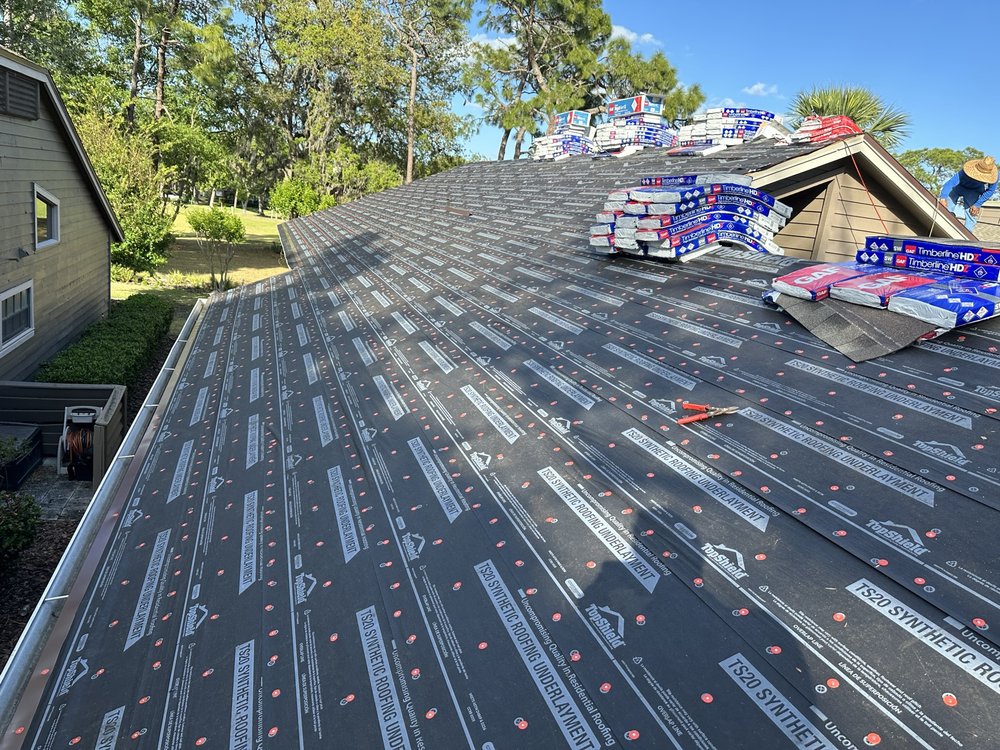

A leaking roof during a storm can turn a peaceful evening into a stressful ordeal, especially in areas like Apopka, FL, where heavy rains and hurricanes are common. Water intrusion poses immediate risks to your home’s interior, structural integrity, and personal safety. Acting quickly can minimize damage and prevent long-term issues. This article outlines practical steps to take when your roof starts leaking mid-storm, ensuring you protect your property effectively.
Assessing the Situation Safely
The first step is to evaluate the leak without endangering yourself. Avoid going onto the roof during a storm due to high winds, lightning, and slippery conditions. Instead, stay indoors and locate the leak’s source from inside. Look for water dripping from the ceiling, pooling on floors, or staining walls. Note the time and weather conditions, as this information helps professionals later.
In Apopka, FL, where storms can bring intense rainfall, prioritize safety over investigation. Keep a safe distance from electrical outlets or fixtures near the leak to avoid shock hazards. If the situation feels unmanageable, wait out the storm before proceeding.
Containing the Water Immediately
Once you identify the leak, contain the water to limit damage. Place buckets, pots, or large containers under the drip points to catch falling water. Use towels or rags to soak up puddles on the floor, preventing slips and protecting flooring materials like hardwood or carpet.
For larger leaks, lay down tarps or plastic sheeting to cover furniture and valuables. Elevate items off the floor if possible. Quick containment reduces the risk of mold growth and structural weakening, which are common in humid climates like Florida’s.
Protecting Valuables and Furniture
Move valuable items away from the affected area to prevent water damage. Relocate electronics, artwork, or important documents to a dry room. Cover furniture with waterproof covers or plastic if moving isn’t an option. This step preserves your belongings and simplifies cleanup.
In homes with high ceilings, consider using step ladders to reach and protect upper shelves. Acting fast during a storm can save thousands in replacement costs, especially for irreplaceable items.
Improving Temporary Ventilation
Excess moisture from a leak can lead to mold if not addressed. Open windows or use fans to improve airflow, but only if it’s safe and the storm allows. In Apopka, FL, where humidity lingers post-storm, ventilation helps dry out wet areas.
Avoid using heaters or electrical devices near water to prevent fire risks. If the leak is significant, focus on containment first and ventilate once the storm subsides. This balances moisture control with safety.
Documenting the Damage
Documenting the leak provides evidence for insurance claims or repairs. Take photos or videos of the affected areas, including ceilings, walls, and collected water. Note the date and time, aligning with the storm’s occurrence. Keep a log of actions taken, like moving items or placing buckets.
Clear visuals help professionals assess the extent of damage later. In stormy regions, thorough documentation speeds up the recovery process and ensures fair compensation.
Contacting a Professional During the Storm
If the leak is severe, contact a roofing expert as soon as possible, even mid-storm. Many professionals offer emergency services and can advise over the phone. Explain the situation, including the leak’s location and volume, to get immediate guidance.
For residents in Apopka, FL, local knowledge of storm patterns can expedite help. While waiting, follow their instructions to manage the situation. For expert assistance, reach out to DeSantis Roofing Inc at 321-501-6220 for emergency support.
Preparing for Post-Storm Repairs
Once the storm passes, prioritize repairs to prevent further damage. Avoid temporary fixes like duct tape, which can worsen issues. Instead, gather materials like tarps and plywood to cover exposed roof sections if safe to access.
Schedule a professional inspection to identify the leak’s cause—whether it’s damaged shingles, flashing, or seals. Early intervention stops secondary problems like rot or pest infestations, common after Florida storms.
Checking for Hidden Damage
Leaks often hide underlying issues like compromised insulation or structural beams. After the storm, inspect the attic or crawl spaces for water stains, mold, or softened wood. Use a flashlight to check dark corners thoroughly.
Hidden damage can escalate if ignored, leading to costly renovations. In humid environments, mold can spread within 24-48 hours, making prompt checks essential.
Understanding Insurance Claims
Most homeowner’s insurance covers storm-related roof leaks, but coverage varies. Review your policy to confirm inclusions and deductibles. Submit your documentation—photos, videos, and logs—to support your claim.
Contact your insurer promptly to start the process. In storm-prone areas, quick claims processing can accelerate repairs, restoring your home’s safety.
Preventing Future Leaks
Preventing future leaks starts with maintenance. Inspect your roof annually for worn shingles, cracked seals, or clogged gutters. Trim trees to avoid branch damage during storms. Consider upgrading to impact-resistant materials for added durability.
In Apopka, FL, where storms are frequent, proactive care reduces leak risks. Regular upkeep extends your roof’s lifespan and minimizes mid-storm emergencies.
Restoring Your Home Post-Storm
After addressing the leak, focus on restoration. Dry out affected areas with dehumidifiers or fans. Replace soaked drywall or insulation to prevent mold. Clean and disinfect surfaces to restore air quality.
Monitor the repaired area for recurring issues. A well-restored home regains its value and comfort, offering peace of mind after a stressful event.
In conclusion, a leaking roof mid-storm requires swift, safe action to protect your home. From containment to professional help, each step builds a path to recovery. Stay prepared and act decisively to safeguard your property. For tailored solutions, DeSantis Roofing Inc provides expert support to navigate these challenges.